
The Myths of Runner’s Knee
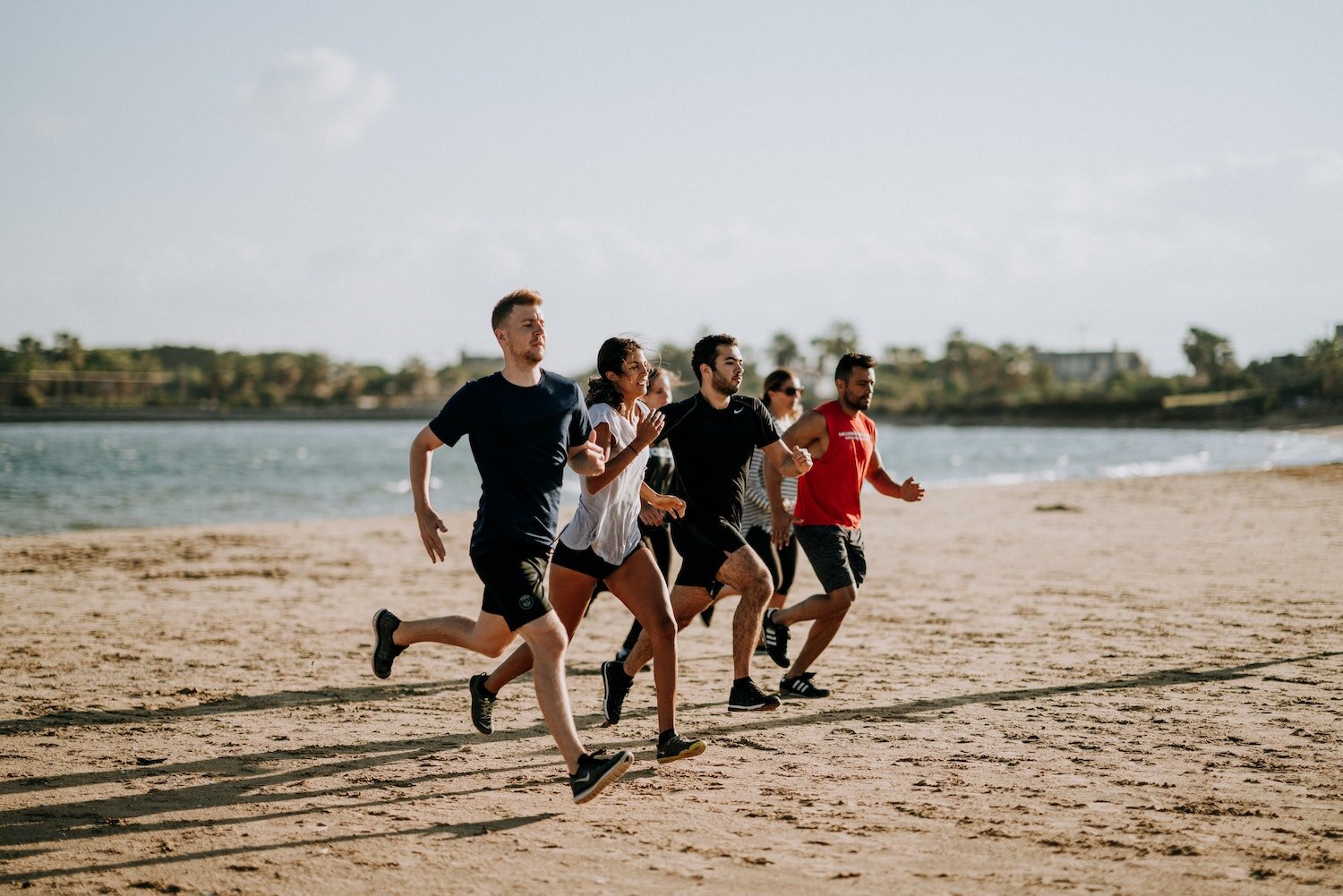
Runner’s knee, also known as patellofemoral knee pain, is one of the most commonly reported sources of knee discomfort world-wide. Symptoms are typically felt around or behind the kneecap and may be accompanied by stiffness or mild swelling. People often notice symptoms when getting up after sitting for long periods, climbing stairs, squatting, or running. One of the most frequent questions we hear is, “does running damage my knees?".
So, what exactly is runner’s knee and what can you do about it?
It isn’t caused by something being “out of place.”
For most people, runner’s knee is not due to kneecap “mal-tracking” or the joint being misaligned. It is more accurately understood as temporary irritation of the joint between the kneecap and thigh bone, often related to a sudden or repeated increase in load. This might occur after increasing your running distance quickly or starting a new activity your body is not yet conditioned for.
You don’t always need to stop running.
Completely stopping activity may lead to stiffness and reduced conditioning. Instead, the focus is on finding a manageable level of activity that produces only mild, tolerable symptoms that settle within 24 hours. Starting here and building back up gradually can help you maintain movement while reducing excessive load on the irritated tissues.
It’s not all about the VMO.
The VMO is just one part of the quadriceps. While it plays a role in knee function, it is not the sole driver of symptoms. Strength and control throughout the entire lower limb matter. The quadriceps, gluteals, hamstrings and calves all contribute to absorbing load. For example, the calf–Achilles complex can tolerate forces several times body weight during running.
Muscle tightness is often a consequence, not the cause.
Soft tissue release and stretching may feel good in the short term, however tightness commonly reflects how the body responds to irritation or changes in load. Prioritising appropriate load management and progressive strengthening tends to offer more meaningful longer term benefits, and tightness often improves as capacity builds.
There is no single “perfect” running style.
Running technique varies based on strength, structure, experience and personal preference. Large or abrupt changes to running gait can create new issues. In some cases, small adjustments like increasing your running cadence by around 7 to 10 percent can reduce knee loading, although this should be applied case by case.
Individual assessment matters.
At Kinima Physio in West Leederville and Gwelup, we regularly help runners and active adults manage patellofemoral knee pain. Our physiotherapists combine lower limb strengthening, load management strategies, and running-specific guidance to help you reduce symptoms, improve knee capacity, and stay active safely.
If you would like to explore a general strengthening program to support knee capacity, click here.